How Long Does a New Roof Last in the Midwest
By Maris & Son Roofing
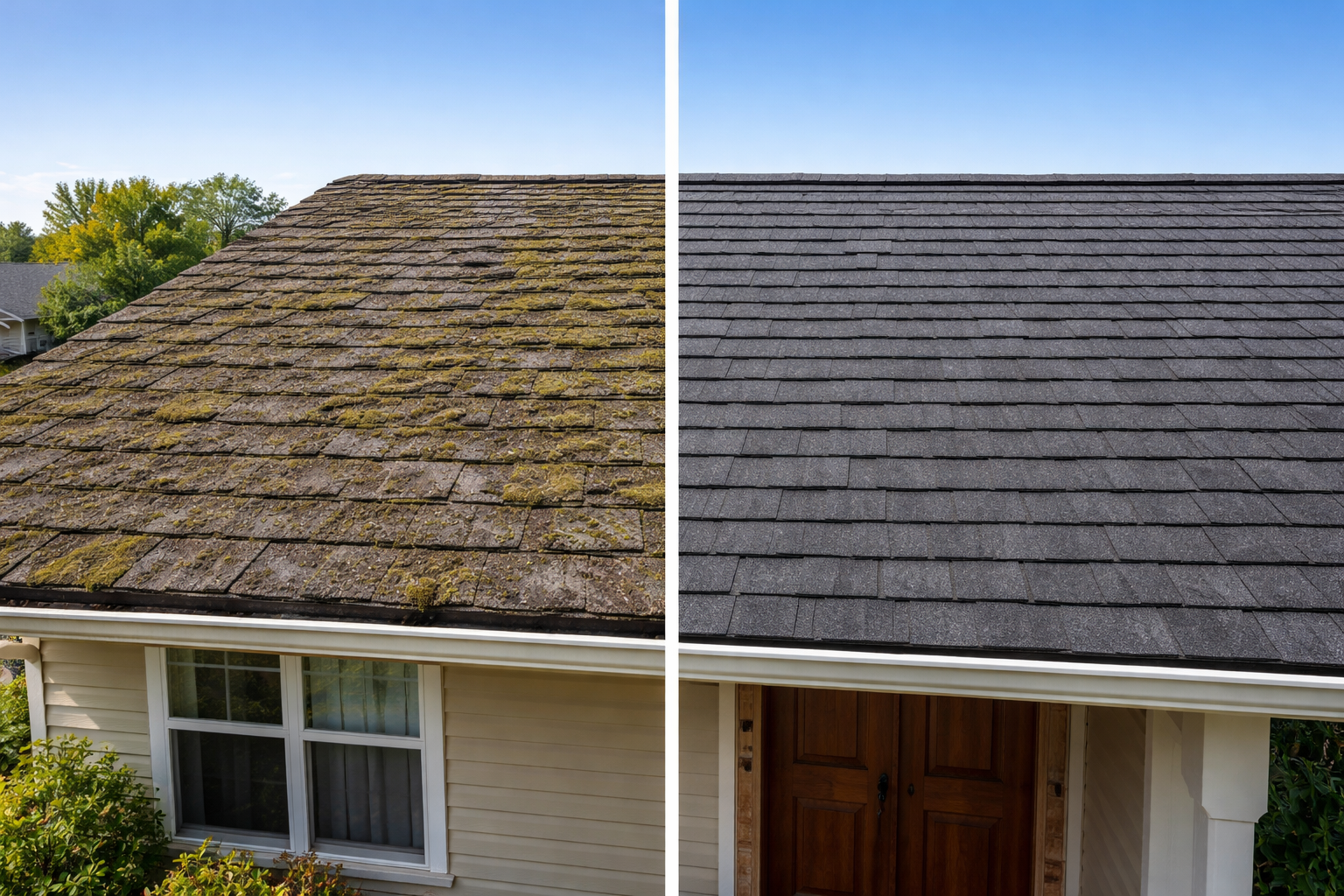
How Long Does a New Roof Last in the Midwest
When you invest in a new roof, you want to know how long it is going to last. Manufacturers print warranty numbers on every bundle of shingles and every roll of metal, but those numbers are based on ideal conditions. And ideal conditions are not exactly what we get here in Northwest Indiana.
Between the hail, the lake effect snow, the ice dams, the summer heat, and the wind that rips across Lake and Porter County, our roofs work harder than roofs in milder climates. Here is an honest look at how long different roofing materials actually last in the Midwest, based on what we see in the field after four generations of roofing in NWI.
Three Tab Asphalt Shingles: 12 to 18 Years
Three tab shingles are the thinnest and most basic asphalt option. They typically carry a 20 to 25 year manufacturer warranty, but in Indiana, they rarely make it to the end of that warranty without significant deterioration.
Three tab shingles are lighter and have a single layer construction that makes them more vulnerable to wind uplift and hail damage. They lose granules faster and become brittle sooner, especially on south facing roof slopes that take the full force of Indiana summer sun.
Most manufacturers are phasing these out in favor of architectural shingles, and we generally do not recommend them anymore. The cost difference between three tab and architectural is small, but the performance difference is substantial.
Architectural Asphalt Shingles: 18 to 28 Years
Architectural shingles, also called dimensional or laminated shingles, are the standard choice for homes across Crown Point, Merrillville, Hobart, Valparaiso, and the rest of NWI. They come with manufacturer warranties ranging from 30 years to "lifetime," depending on the product line.
In our real world experience in Indiana, most quality architectural shingles will give you 18 to 28 years of solid performance. The wide range depends on several factors:
- Shingle quality. Premium lines from major manufacturers genuinely perform better than economy lines. The granule adhesion is stronger, the asphalt formulation is more durable, and the fiberglass mat is thicker.
- Color. Darker shingles absorb more heat and tend to age faster than lighter colors in Indiana summers.
- Ventilation. A well ventilated attic dramatically extends shingle life. Trapped heat cooks shingles from below and moisture rots the deck from underneath.
- Roof orientation. South and west facing slopes take more sun and weather more aggressively than north and east facing slopes. It is common to see one side of a roof aging faster than the other.
A well installed architectural shingle roof on a properly ventilated attic in NWI should give you a solid 20 plus years. That is the realistic expectation.
Premium Designer Shingles: 25 to 40 Years
Premium shingles, like those that mimic the look of cedar shake or natural slate, are built thicker and with better materials than standard architectural shingles. They carry warranties of 40 to 50 years and, in Midwest conditions, tend to deliver 25 to 40 years of service.
These shingles have better impact ratings, higher wind resistance, and more robust granule adhesion. For homeowners who want the look of natural materials without the maintenance, they are an excellent middle ground between standard shingles and metal roofing.
The higher price is justified if you plan to stay in your home for a long time. Per year of service, premium shingles often cost about the same as or less than replacing a standard roof more frequently.
Metal Roofing: 40 to 70 Years
Metal roofing offers the longest lifespan of any commonly installed residential roofing material. With proper installation and minimal maintenance, a metal roof in Indiana can last 40 to 70 years or more.
The two most common types for residential use in our area:
Standing seam steel or aluminum. Panels lock together with raised seams, creating a clean, modern look with excellent weather resistance. These handle snow shedding, wind, and hail extremely well. Expected lifespan in NWI: 50 to 70 years.
Metal shingles or tiles. Stamped metal panels that look like traditional shingles, slate, or tile. They offer the aesthetic of conventional roofing with the durability of metal. Expected lifespan in NWI: 40 to 60 years.
Metal roofing is particularly well suited to the Midwest because it handles our two biggest challenges, heavy snow loads and hail, better than any other material. Snow slides off rather than accumulating, and most metal roofs carry the highest impact resistance ratings available.
The main enemy of metal roofing in Indiana is not weather, it is poor installation. Metal expands and contracts significantly with temperature changes, and a roof that does not account for this movement will develop fastener failures and leaks. This is why choosing an experienced metal roofing installer is critical.
What Shortens Roof Life in Indiana
Knowing what works against your roof helps you protect your investment:
Hail. Even when hail does not immediately destroy shingles, it damages the granule surface and accelerates aging. A roof that takes moderate hail hits every few years will not last as long as one that does not.
Ice dams. Repeated ice dam formation along the eaves forces water under the shingles, damages the underlayment, and rots the decking. Proper insulation and ventilation are the best prevention.
Poor ventilation. Attic temperatures in a poorly ventilated home can exceed 150 degrees in an Indiana summer. That heat bakes shingles from below, drying out the asphalt and causing premature granule loss. In winter, warm attic air promotes ice dams and moisture accumulation.
Deferred maintenance. A clogged gutter, a cracked piece of flashing, a missing shingle after a storm. Small problems that go unaddressed turn into big problems. Keeping up with minor repairs extends roof life significantly.
Tree coverage. Overhanging branches scratch shingles, deposit debris, and create shaded areas that hold moisture and encourage algae growth. Keep branches trimmed at least six feet back from the roof surface.
How to Get the Most Life Out of Your Roof
Here are practical steps that homeowners in Munster, Valparaiso, Crown Point, and throughout NWI can take to maximize their roof's lifespan:
- Schedule annual inspections. A professional inspection once a year catches small problems early. Spring is the best time, after winter damage and before storm season.
- Clean your gutters regularly. Clogged gutters cause water to back up against the roof edge. In NWI, clean them at least twice a year, once in late fall after the leaves drop and once in early spring.
- Ensure proper attic ventilation. If your attic is noticeably hot in summer or if you see ice dams forming in winter, your ventilation needs improvement.
- Address repairs promptly. Do not let missing shingles or damaged flashing sit for months. Quick repairs prevent water from getting in and causing larger damage.
- Trim overhanging trees. Keep branches away from the roof surface to prevent physical damage and reduce debris accumulation.
When Is It Time to Replace?
Even with great maintenance, every roof eventually reaches the end of its useful life. If your roof is approaching the realistic lifespan for its material type, start planning for replacement before it starts failing. A controlled replacement on your timeline is always better than an emergency replacement after a leak damages your home.
We inspect roofs all across Northwest Indiana and give homeowners honest assessments of how much life is left. Sometimes a roof has another five good years in it. Sometimes it needs attention now. Either way, knowing where you stand lets you plan and budget accordingly.
Frequently Asked Questions About Roof Lifespan
How can I tell when my roof is nearing the end of its life? Curling or buckling shingles across large areas, significant granule loss in the gutters, daylight visible through the attic deck, and recurring leaks despite repairs. Any one of these in isolation may be repairable. Several appearing together at the same time is end of life.
Do steeper roofs last longer than low slope or flat roofs? Generally, yes. Steeper pitches shed water faster, which means less time for moisture to find its way under the shingles. Low slope and flat roofs need different materials (membrane systems rather than shingles) and typically have shorter lifespans for the same dollar.
Does roof color affect lifespan in Indiana? Slightly. Darker shingles run hotter in summer, which accelerates the breakdown of the asphalt binder. The effect is real but modest, maybe a year or two over the full lifespan. Color choice should be driven by aesthetics and resale appeal, not lifespan.
How often should I have my roof professionally inspected? Once a year for roofs over 10 years old, plus after any major storm regardless of age. Annual inspections catch small problems (a lifted shingle, a failing flashing) before they become leaks. We offer free inspections to Maris and Son Roofing customers.
Ready for a Free Roof Inspection?
Contact Maris & Son Roofing today. Fourth generation family business serving Northwest Indiana since 1923. Call us at (219) 738-1940 or request a free estimate.
Ready for a Free Estimate?
Contact Maris & Son Roofing today. We would love to hear from you.